Education is the foundation upon which all other development rests. Yet for millions of adolescent girls and boys across Kenya and Africa, the promise of education is undermined by deeply linked challenges — lack of access to menstrual hygiene products, inadequate sanitation facilities, limited knowledge of sexual and reproductive health, and the social pressures that drive girls out of classrooms and into early marriage or vulnerability.
Daraja Letu Foundation's Education and WASH programme tackles these challenges head-on, recognising that keeping girls in school, informed, and empowered requires a multi-layered approach that addresses both the physical infrastructure of health and hygiene and the knowledge, attitudes, and social norms that shape young people's lives.
Empowering girls and young women to lead, govern, and build peace
Integrated SRHR and WASH Education
Our programme integrates Sexual and Reproductive Health and Rights (SRHR) and WASH education for adolescent girls and boys in Homa Bay, Kisumu, and Nairobi's Kabiria informal settlement. These are areas characterised by high rates of school dropout, early pregnancy, gender-based violence, and limited access to health services — making our integrated approach not just relevant but urgently needed.
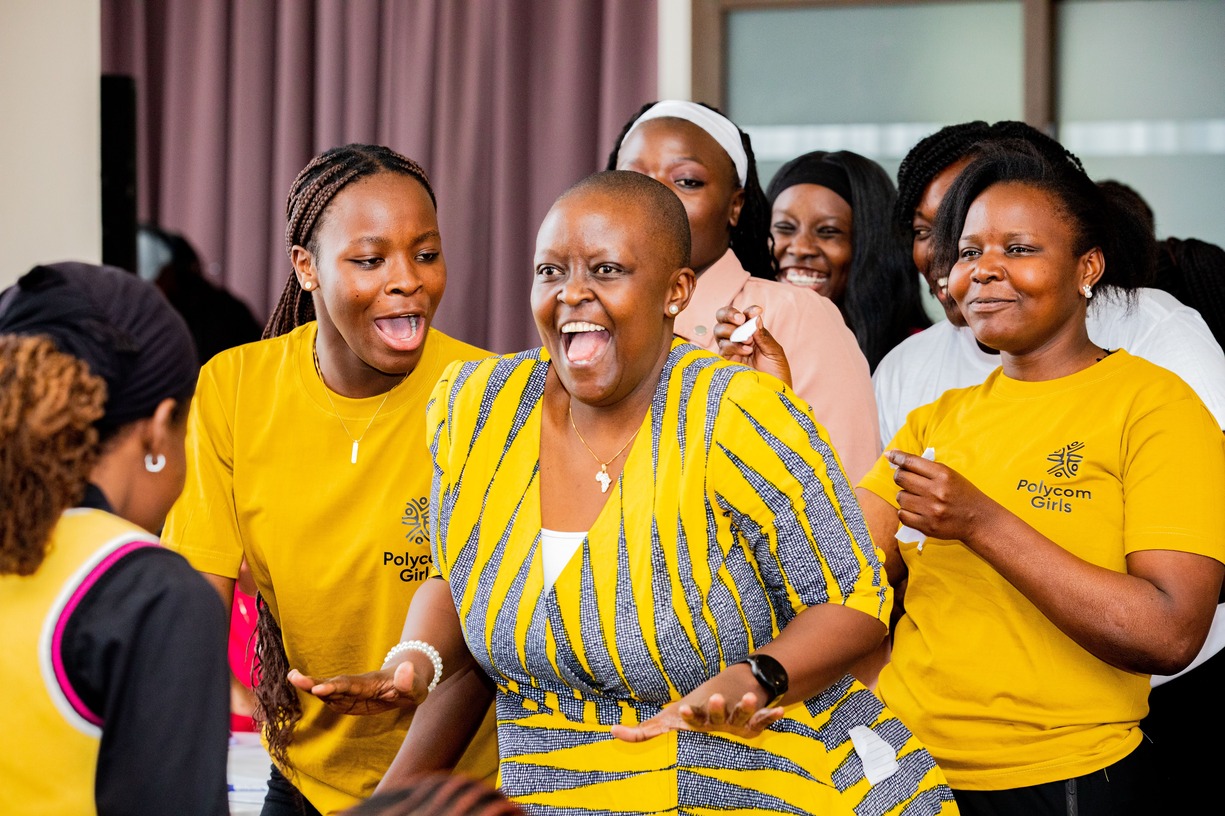
We deliver age-appropriate, evidence-based SRHR education that equips young people with accurate information about their bodies, their rights, and the services available to them. Alongside this, our WASH education component addresses menstrual hygiene management, handwashing practices, sanitation access, and the importance of clean water for health — topics that are foundational to girls' dignity, safety, and sustained school attendance.
In partnership with SWAHIBA NETWORKS, Daraja Letu Foundation is currently implementing an initiative to provide shoes to marginalised students in Homa Bay County, with a target of reaching approximately 1,500 students. This initiative reflects our understanding that education barriers are often practical as well as structural — and that addressing basic needs is inseparable from educational empowerment.
IMatter Campaign — Women, Peace and Security
Our WASH and SRHR programming is embedded within a broader peace education framework. Young people in conflict-affected and socially fragile communities need more than health knowledge — they need tools to manage conflict, build relationships across difference, and envision peaceful futures. Our integrated model ensures that adolescent girls and boys develop not just health literacy but the social and civic skills to contribute positively to their communities.
Peace Education
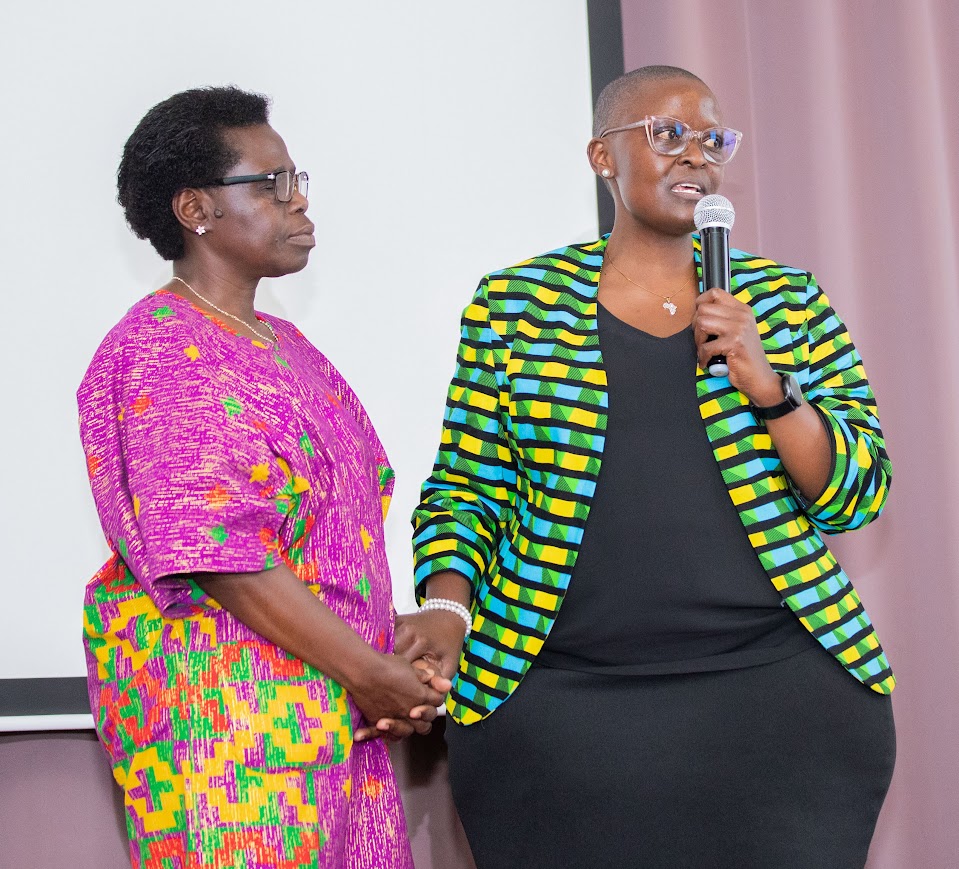
Through our leadership and mentorship work, Daraja Letu Foundation has trained cohorts of girls and young women in governance and feminist leadership, facilitated youth representation in local and regional decision-making spaces, built the capacity of girls' and youth-led groups to engage in advocacy, and directly contributed to policy processes through grassroots representation and voice amplification.
We know that when girls lead, communities thrive. When young women have a seat at the peace table, the agreements that result are more durable, more just, and more reflective of the full community's needs. That is the change we are building — one leader at a time.
Gallery
The Menstrual Health-Climate Connection
Daraja Letu Foundation uniquely bridges the WASH agenda with climate action through our partnership with eco-pad social enterprises. Agricultural products produced by rural farming communities are exchanged for reusable, eco-friendly sanitary pads for adolescent girls and young women. This innovative circular economy model simultaneously supports menstrual health, reduces environmental waste, and provides economic value to farming communities — demonstrating how integrated, context-responsive programming can generate multiple layers of impact.
Our Commitment
We are committed to a vision of education where no girl misses school because she lacks a sanitary pad; no adolescent navigates puberty without accurate, respectful information; no young person faces violence or health risk due to inadequate WASH facilities; and every young person, regardless of gender or disability, can access quality education in a safe, dignified environment.
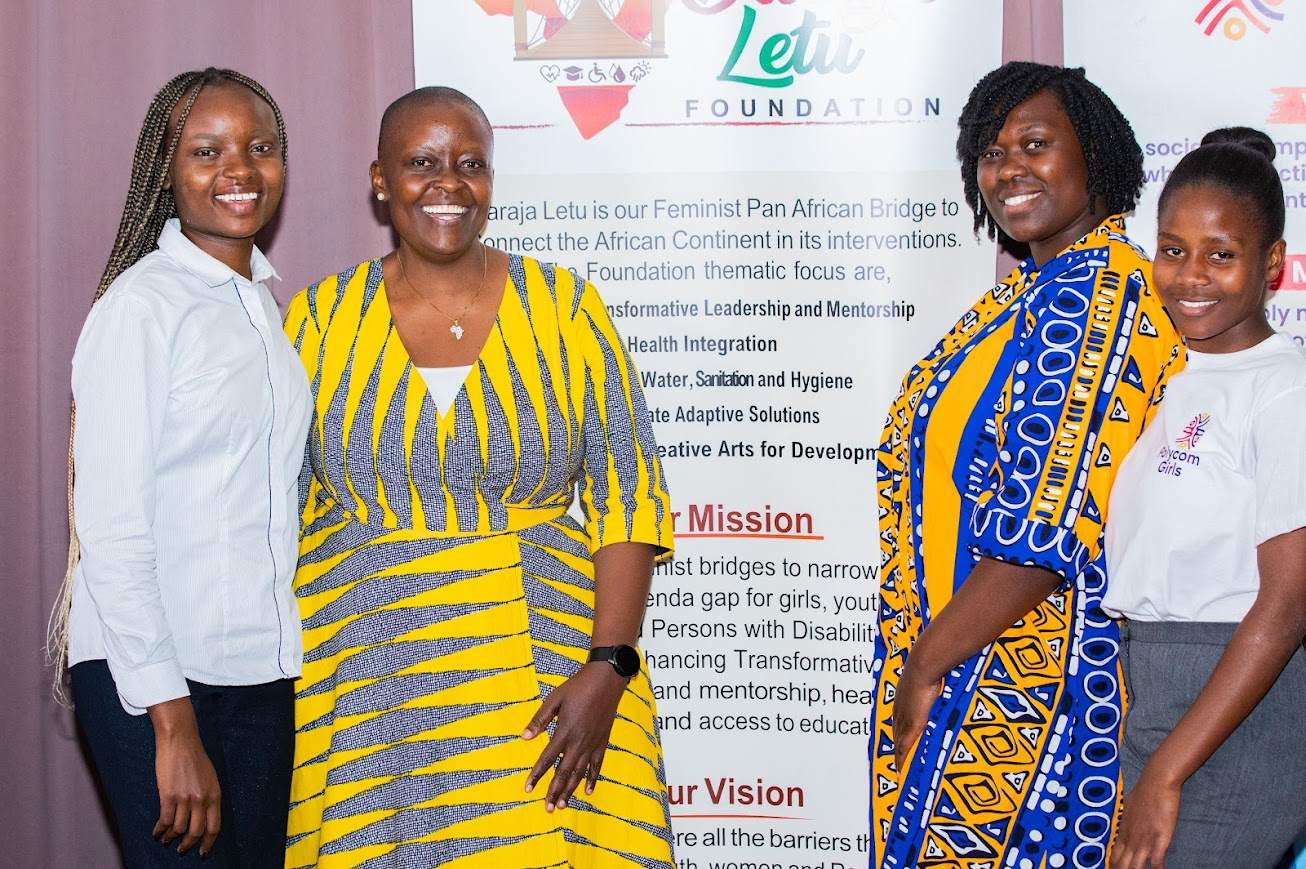
Whether you are a donor, a partner organisation, a policymaker, or a community champion — there is a place for you in the Daraja Letu movement
Together, we can build a Pan-African bridge to a world where every girl, boy, young person, woman, and Person with Disability can live a fully fulfilling life, free from the barriers that have held them back for too long.