the londoner
83 the strand, sliema, malta.
The Problem: In communities across Homa Bay, Kisumu, and Nairobi, talented young women with the drive to lead faced a systemic barrier: the skills, networks, and knowledge required to navigate governance and policy spaces were simply inaccessible to them. Leadership development opportunities that existed were rarely designed with young women from marginalised communities in mind, and the language and frameworks of policy engagement remained foreign and intimidating.
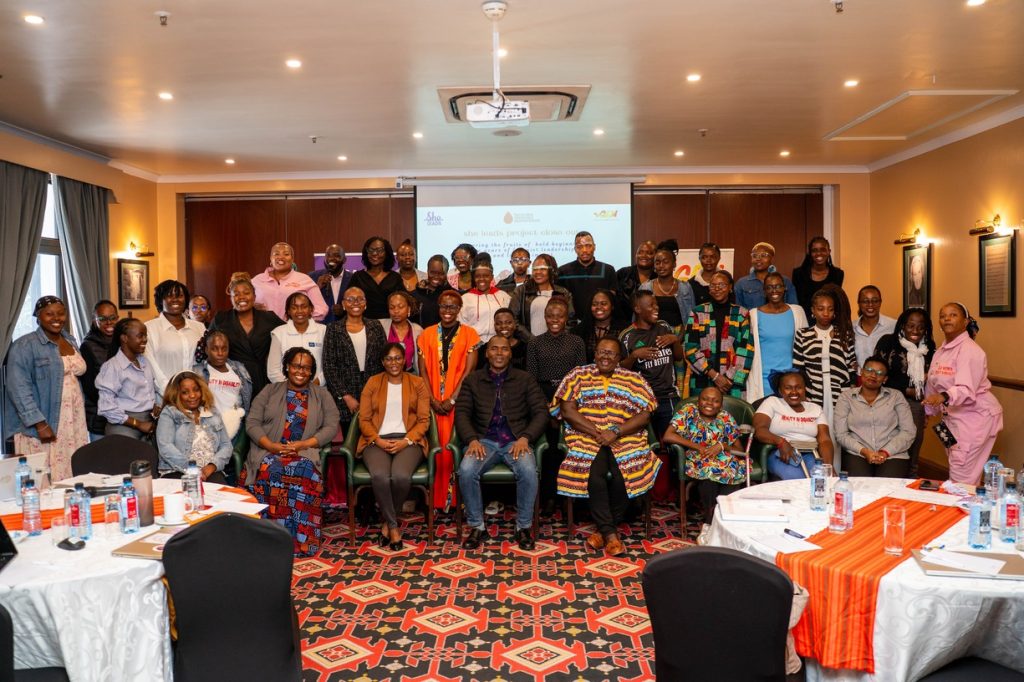
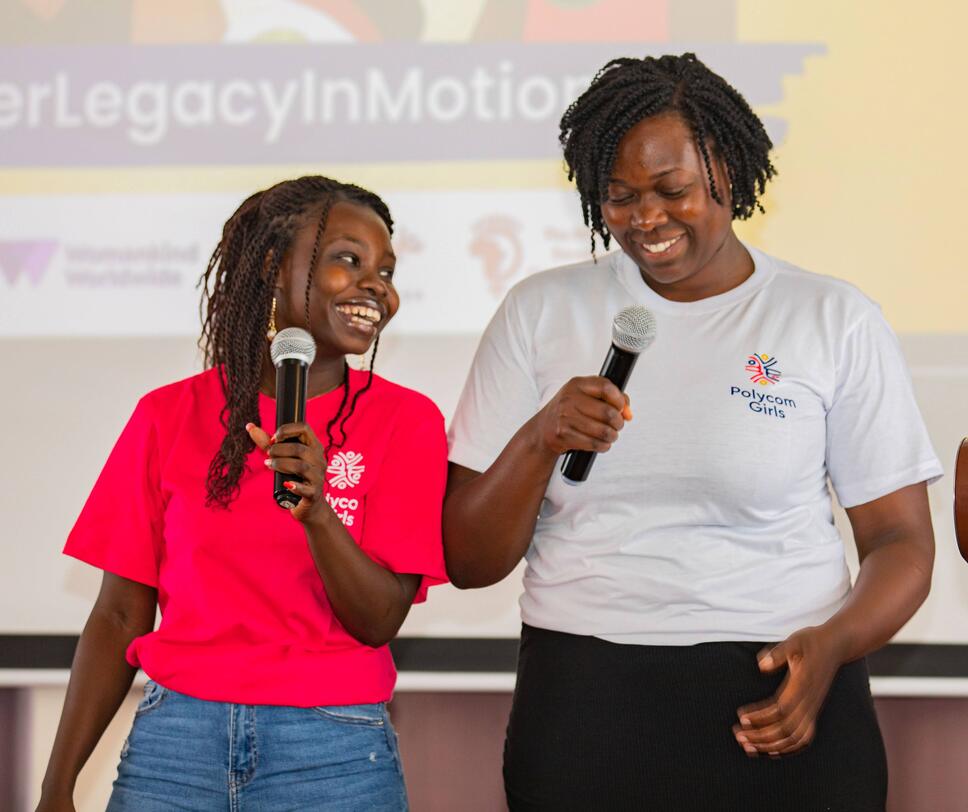
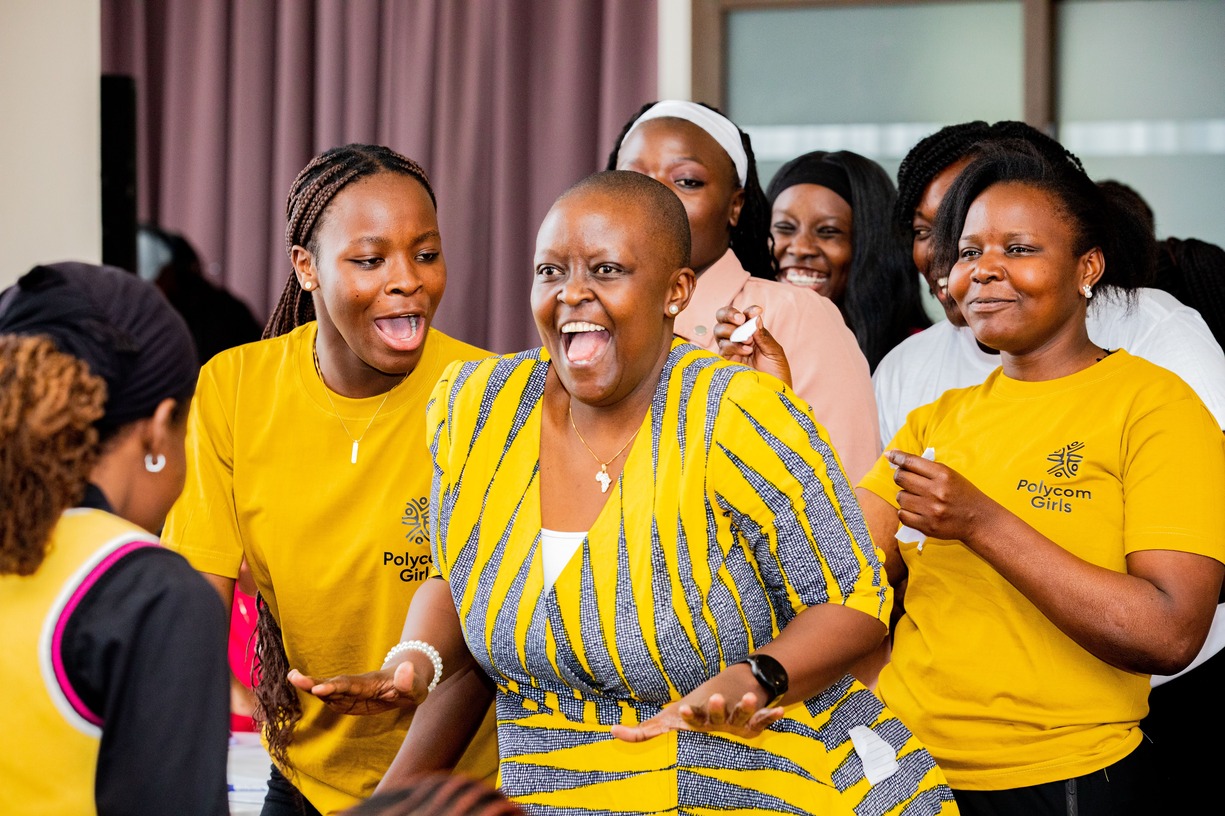
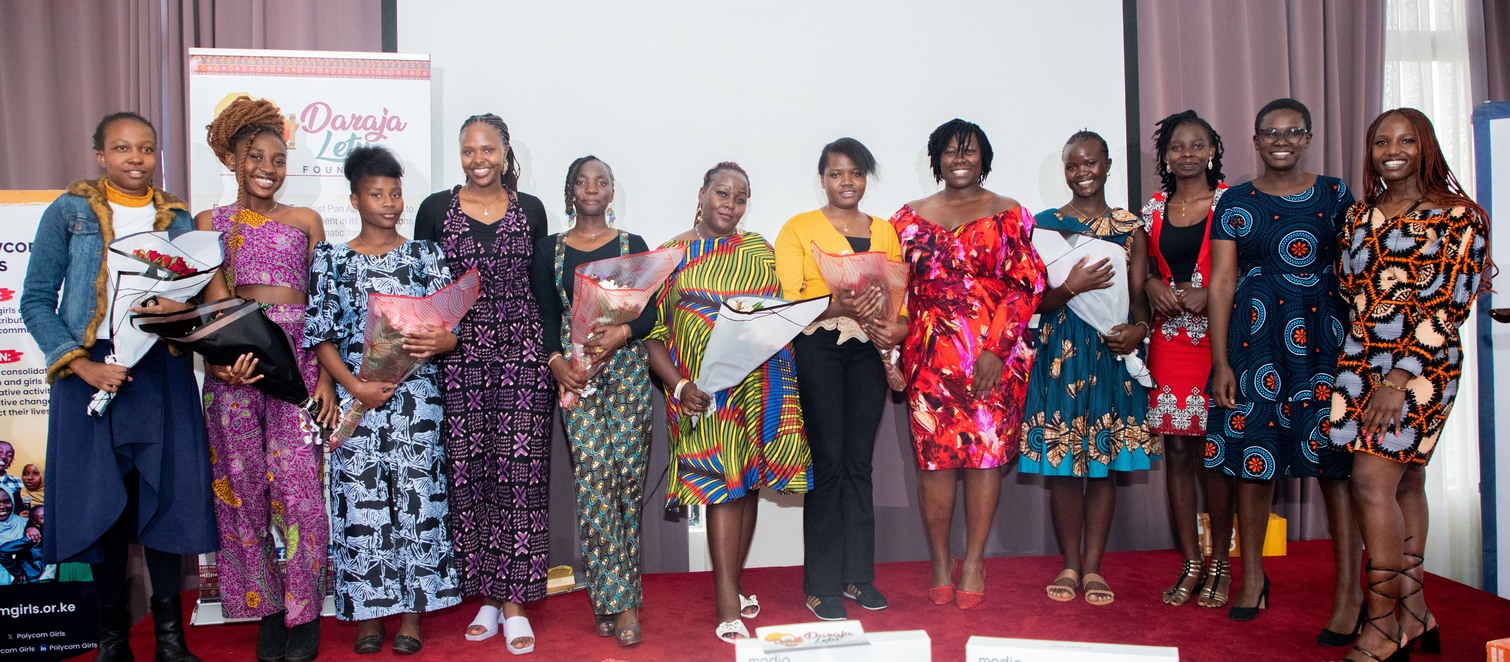
The Intervention: Daraja Letu Foundation established Rachel Ouko's Academy — a capacity-building programme designed to change this reality. Cohorts of girls and young women are brought together for structured training in leadership, governance, policy engagement, and organisational documentation. The Academy's curriculum is grounded in transformative feminist leadership principles, providing not just skills but a framework for understanding and challenging the power structures that shape participants' lives.
The Outcome: Academy graduates have returned to their communities as confident, informed advocates — strengthening their organisations, representing their communities in decision-making spaces, and mentoring younger girls to follow in their footsteps. Participants have engaged with local governance processes, contributed to national WPS framework consultations, and built networks with peers and mentors across Kenya. The Academy has become a conveyor belt of confident, capable, feminist leaders — exactly what Africa needs.
The Problem: Despite being among those most affected by conflict and insecurity, girls and young women in Kenya remain largely absent from formal peace and security processes. UNSCR 1325 — the landmark international framework mandating women's participation in peace and security — exists on paper but is poorly understood and even more poorly implemented at community and national levels.
The Intervention: Through a partnership with OXFAM under the IMatter Campaign, Daraja Letu Foundation trained cohorts of girls and young women on UNSCR 1325, equipping them with a clear understanding of the framework, their rights within it, and practical tools to engage with national WPS processes. Training sessions combined knowledge transfer with simulation exercises, enabling participants to practise engaging with governance structures in a supported environment.
The Outcome: Trained girls and young women have engaged directly with national WPS frameworks, contributing community-level perspectives to policy processes that have historically been conducted without them. Participants report increased confidence to engage with government structures, improved ability to articulate their rights and experiences in formal settings, and a strengthened sense of agency and belonging in peace and governance spaces. The IMatter Campaign has demonstrated that when girls are given the tools and support to participate, they do — and the quality of peace processes improves as a result.
The Occasion: The International Day of the African Child, celebrated annually on 16 June, provides a global moment to focus attention on the rights and conditions of children across the continent. For Daraja Letu Foundation, it represented an opportunity to do what we do best — facilitate meaningful youth engagement in high-level policy spaces.
The Intervention: In partnership with FEMNET, Daraja Letu facilitated girls' participation in high-level intergenerational dialogues and roundtable discussions on the International Day of the African Child. Participants engaged with stakeholders including representatives from UNICEF, bringing their lived experiences and community insights to bear on discussions about children's rights, education, health, and gender equality.
The Outcome: The dialogues provided girls with direct exposure to international development actors and policy spaces, strengthening their networks and amplifying their voices in conversations that directly affect their futures. For the adult stakeholders — including UNICEF representatives — the sessions provided rare and valuable direct engagement with the girls and young women whose lives their policies shape. Feedback from participants highlighted the dialogues as transformative experiences that shifted both their self-perception and the perceptions of the adult stakeholders they engaged with.
The Challenge: In rural Homa Bay County, adolescent girls were missing school during menstruation due to lack of affordable, reliable sanitary products — a well-documented but often inadequately addressed driver of girls' educational disadvantage. At the same time, rural farming communities were seeking new income streams and climate adaptation strategies in the face of increasingly erratic weather patterns.
The Intervention: Daraja Letu Foundation facilitated a partnership between rural farming communities and eco-pad social enterprises, creating a circular economy model in which agricultural products were exchanged for reusable, eco-friendly sanitary pads. The model was designed to be self-sustaining — generating economic value for farmers while continuously supplying menstrual health products to adolescent girls in the community.
The Outcome: Girls who previously missed multiple school days each month due to lack of sanitary products were able to attend school consistently. Rural farmers gained a new market linkage and income supplement. Single-use menstrual product waste — a significant environmental concern — was reduced. The initiative demonstrated how a single, well-designed intervention rooted in circular economy principles can simultaneously advance menstrual health, education, economic resilience, and environmental sustainability. It is a model Daraja Letu Foundation is committed to scaling.
The Challenge: For many children in Homa Bay County, the barrier to consistent school attendance is not always what development frameworks typically prioritise. Sometimes, it is as concrete and physical as not having shoes — a prerequisite for attendance at many schools, and a symbol of dignity that shapes whether a child feels able to walk through a school gate at all.
The Intervention: Through a partnership with SWAHIBA NETWORKS, Daraja Letu Foundation initiated a programme to provide shoes to marginalised students in Homa Bay County. The programme targets approximately 1,500 students, working through community networks to identify the most marginalised and ensure that support reaches those who need it most.
The Outcome: While the initiative is ongoing and full impact data is still being gathered, early feedback from communities highlights the profound dignity and motivation that children and families experience when basic needs are met with care and respect. The programme reflects Daraja Letu's understanding that sustainable development requires meeting people where they are — and that sometimes building a bridge begins with something as fundamental as ensuring a child can walk to school.